
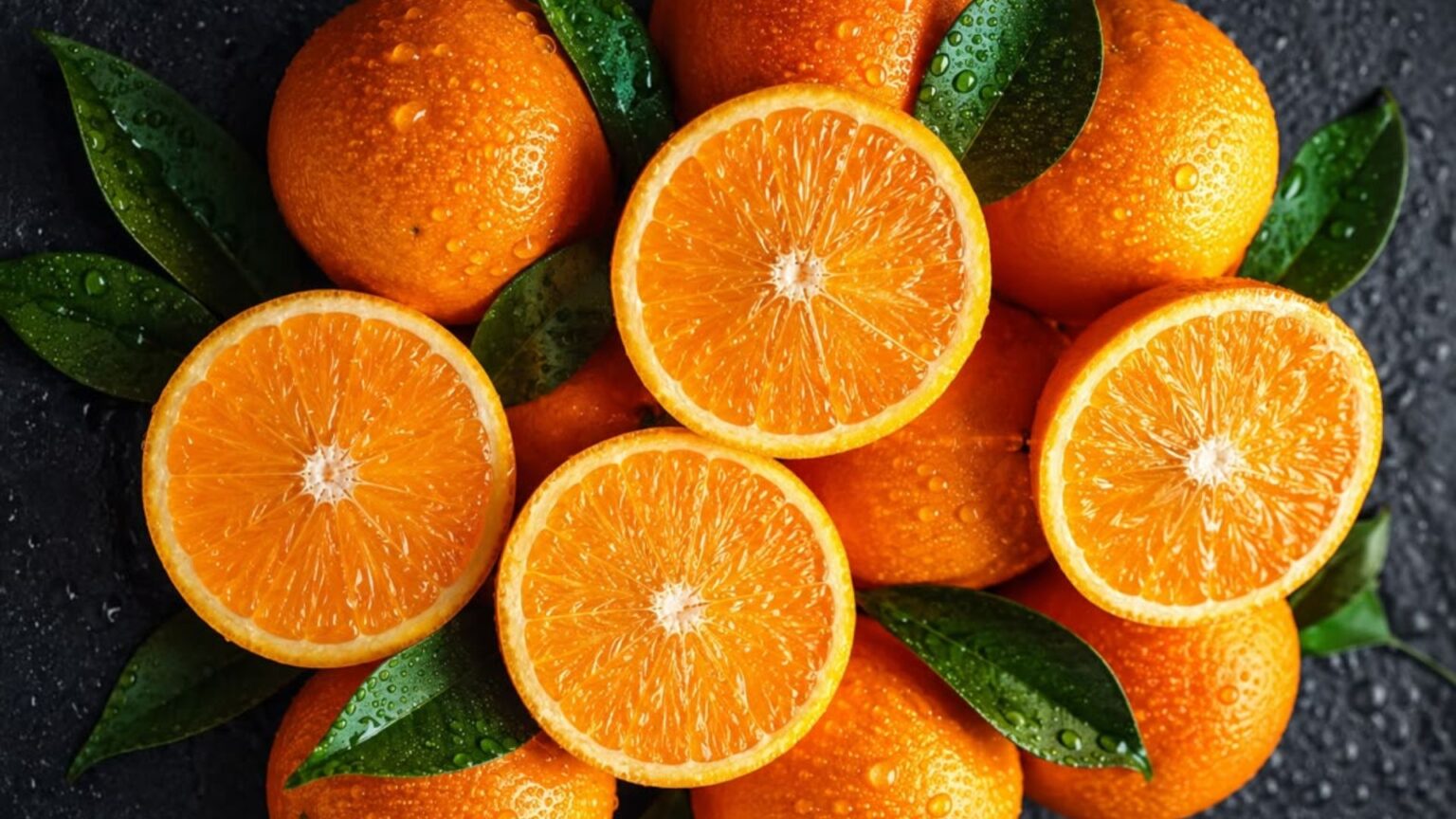

Why Dehydrated Orange Peel Is Becoming a High-Value Ingredient in India

When people think of oranges, they usually picture a refreshing fruit or a glass of fresh juice. What often goes unnoticed is the peel, which is discarded in enormous quantities every day.

In India, one of the world’s leading citrus-producing nations, thousands of tonnes of orange peels are generated annually by juice processors, food manufacturers, and fruit markets. For years, this valuable resource was treated as waste. Today, however, industries are discovering that orange peel is far more than a by-product. It has become a sought-after natural ingredient for food, beverages, cosmetics, pharmaceuticals, nutraceuticals, and even sustainable agriculture.

This shift reflects a broader movement towards cleaner ingredients, circular manufacturing, and environmentally responsible sourcing. Dehydrated orange peel has emerged as an excellent example of how agricultural waste can be transformed into a premium industrial raw material.

What Makes Dehydrated Orange Peel So Valuable?

Fresh orange peel naturally contains essential oils, antioxidants, flavonoids, dietary fibre, pectin, and aromatic citrus compounds. Through a carefully controlled dehydration process, moisture is removed while preserving many of these beneficial properties.

The result is a lightweight, shelf-stable ingredient that is easier to transport, store, and incorporate into manufacturing processes throughout the year.

Available as flakes, granules, or powder, dehydrated orange peel offers manufacturers consistency, convenience, and versatility without depending on seasonal fruit availability.

Why Indian Industries Are Choosing Dehydrated Orange Peel

Consumer preferences have changed dramatically over the past decade. Shoppers are reading ingredient labels more carefully and increasingly choosing products made with natural, plant-based ingredients. This demand has encouraged manufacturers to replace artificial flavours, colours, and additives with ingredients derived from nature.

Dehydrated orange peel supports this transition by providing natural citrus flavour, pleasant aroma, functional nutrients, and sustainability in a single ingredient.

Applications Across Multiple Industries

Bakery Food products with orange

Food Manufacturing

Food manufacturers use dehydrated orange peel to enhance flavour, texture, and nutritional value in a wide variety of products. It is commonly incorporated into bakery products, breakfast cereals, confectionery, dessert mixes, fruit preserves, snack seasonings, spice blends, sauces, and ready-to-cook formulations.

Its bright citrus profile allows product developers to create distinctive recipes while supporting clean-label initiatives.

Beverage Industry

The beverage sector has embraced dehydrated orange peel as consumers seek refreshing and functional drinks. It is widely used in herbal teas, fruit infusions, detox beverages, instant drink mixes, flavoured waters, wellness beverages, and botanical blends.

Its natural aroma creates a refreshing sensory experience without relying solely on synthetic flavouring agents.
Orange mocktail beverage
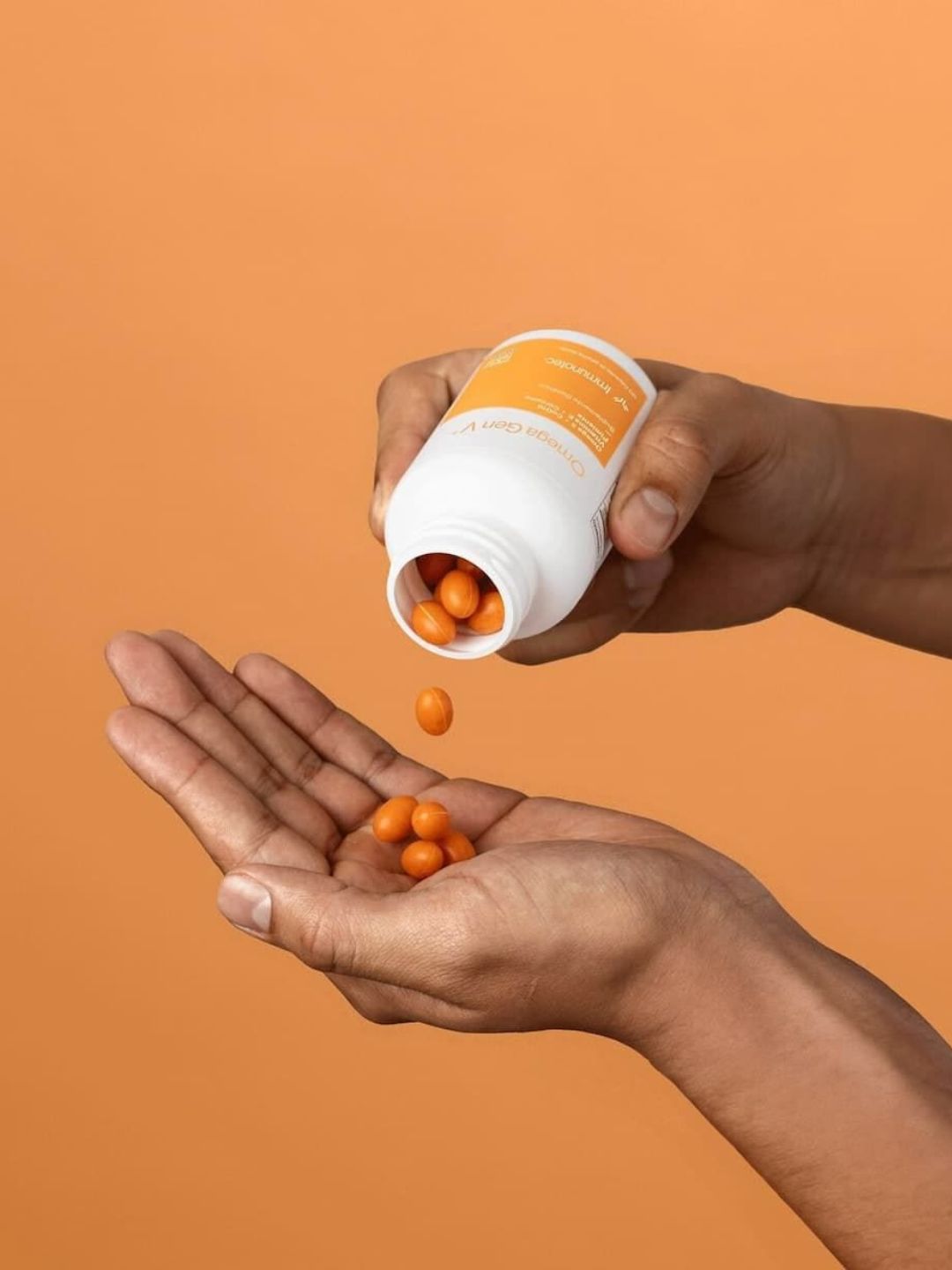
Nutraceutical Products With orange peel

Nutraceutical and Functional Foods

Orange peel is naturally rich in plant compounds such as flavonoids and dietary fibre, making it a valuable ingredient for nutraceutical formulations. Manufacturers incorporate it into immunity products, digestive wellness supplements, antioxidant blends, fibre-enriched formulations, herbal capsules, and functional nutrition products.

As preventive healthcare continues to gain importance, ingredients derived from fruits are becoming increasingly attractive to product developers.
Cosmetics and Personal Care

Natural skincare has become one of India’s fastest-growing industries. Cosmetic manufacturers value dehydrated orange peel for its gentle exfoliating properties, refreshing fragrance, and botanical appeal.

It is frequently used in face masks, facial cleansers, scrubs, soaps, bath powders, body polishing products, handmade skincare, and herbal beauty formulations.

Consumers increasingly associate citrus-based ingredients with freshness, brightness, and naturally inspired skincare.
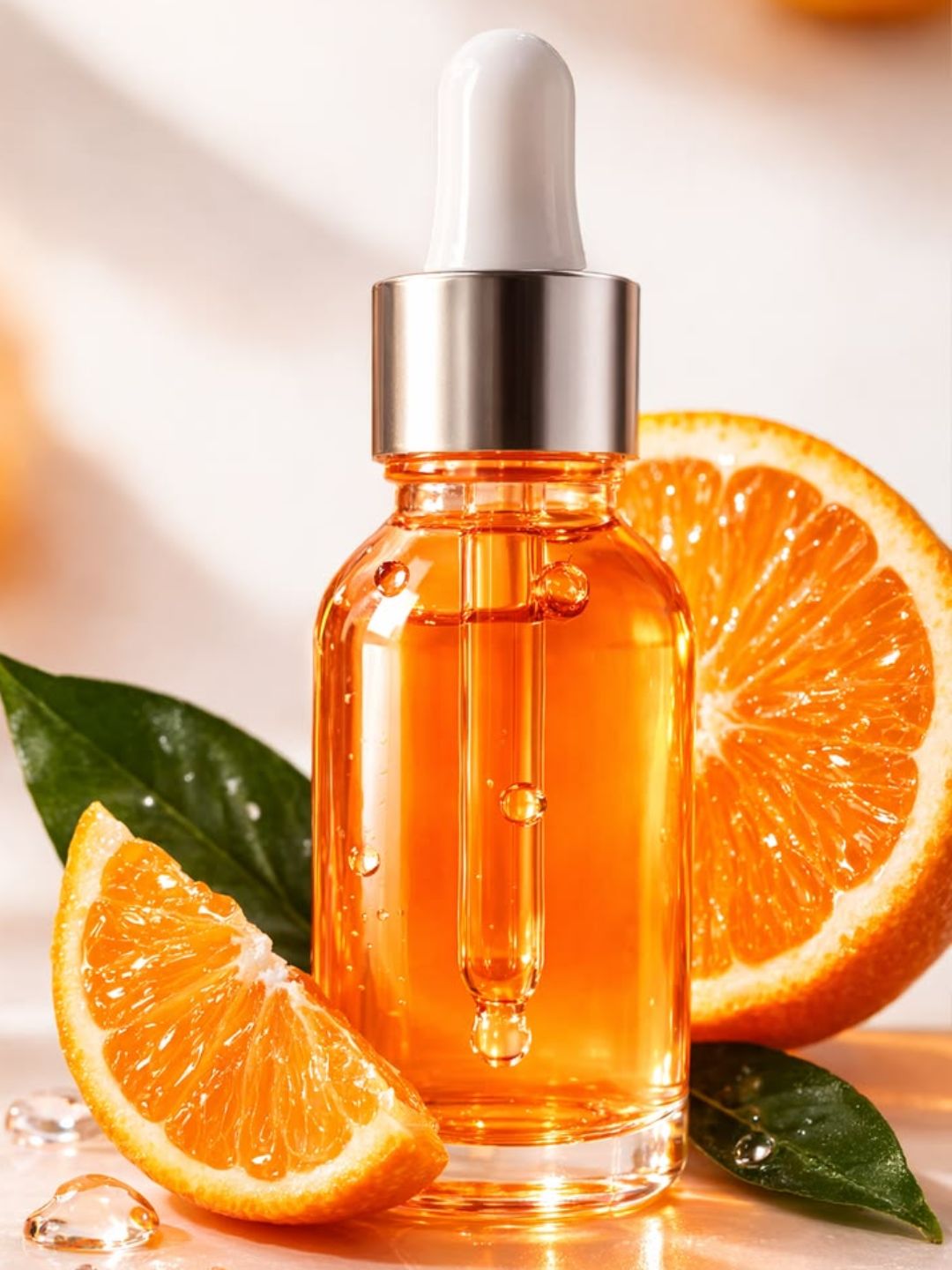
Orange extract serum
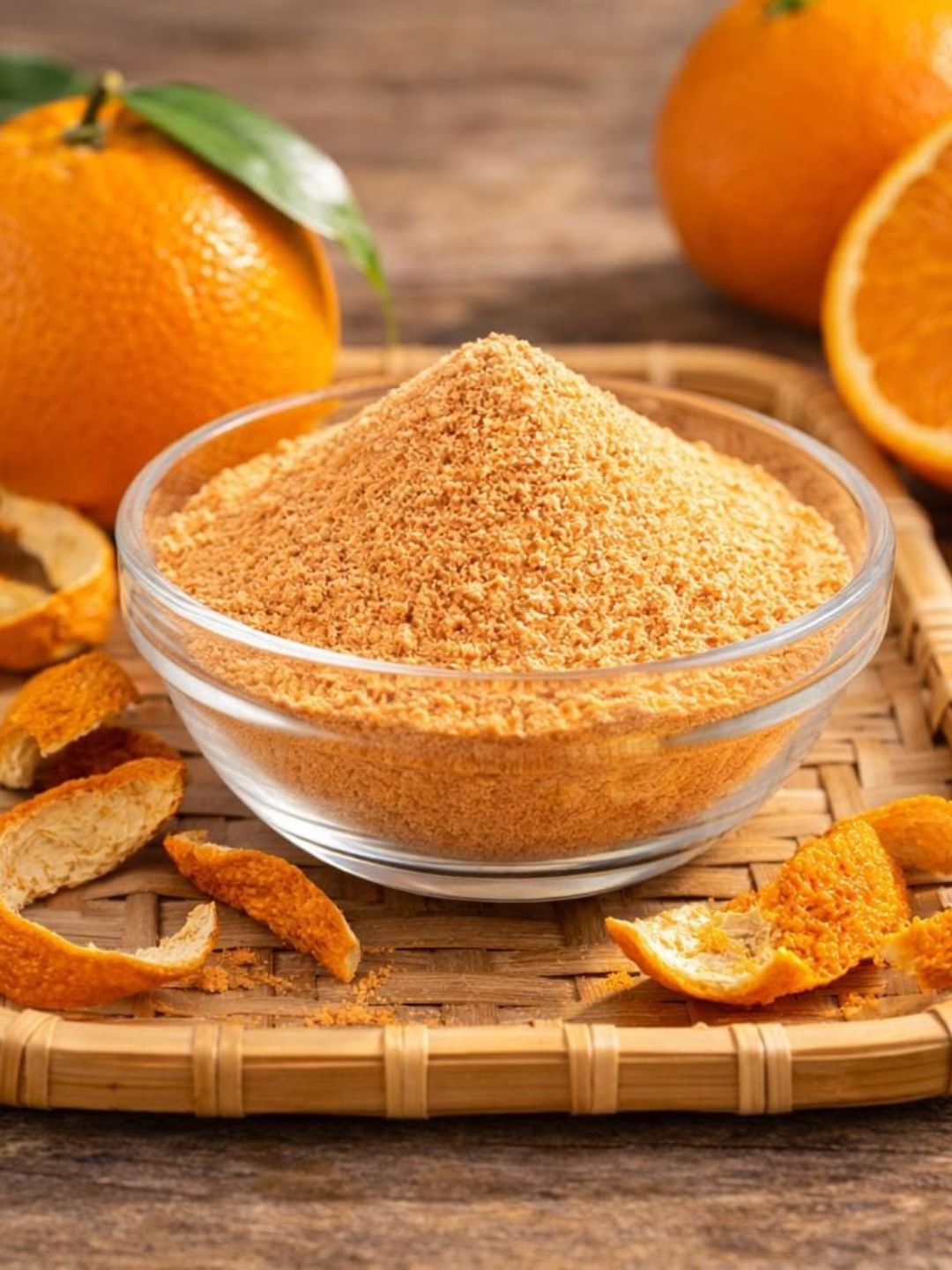
Orange Herbal Powder

Herbal and Ayurvedic Products

The Ayurvedic industry has long recognised citrus ingredients for their traditional applications. Dehydrated orange peel is widely used in herbal powders, wellness formulations, botanical blends, and traditional preparations where natural plant ingredients remain central to product development.
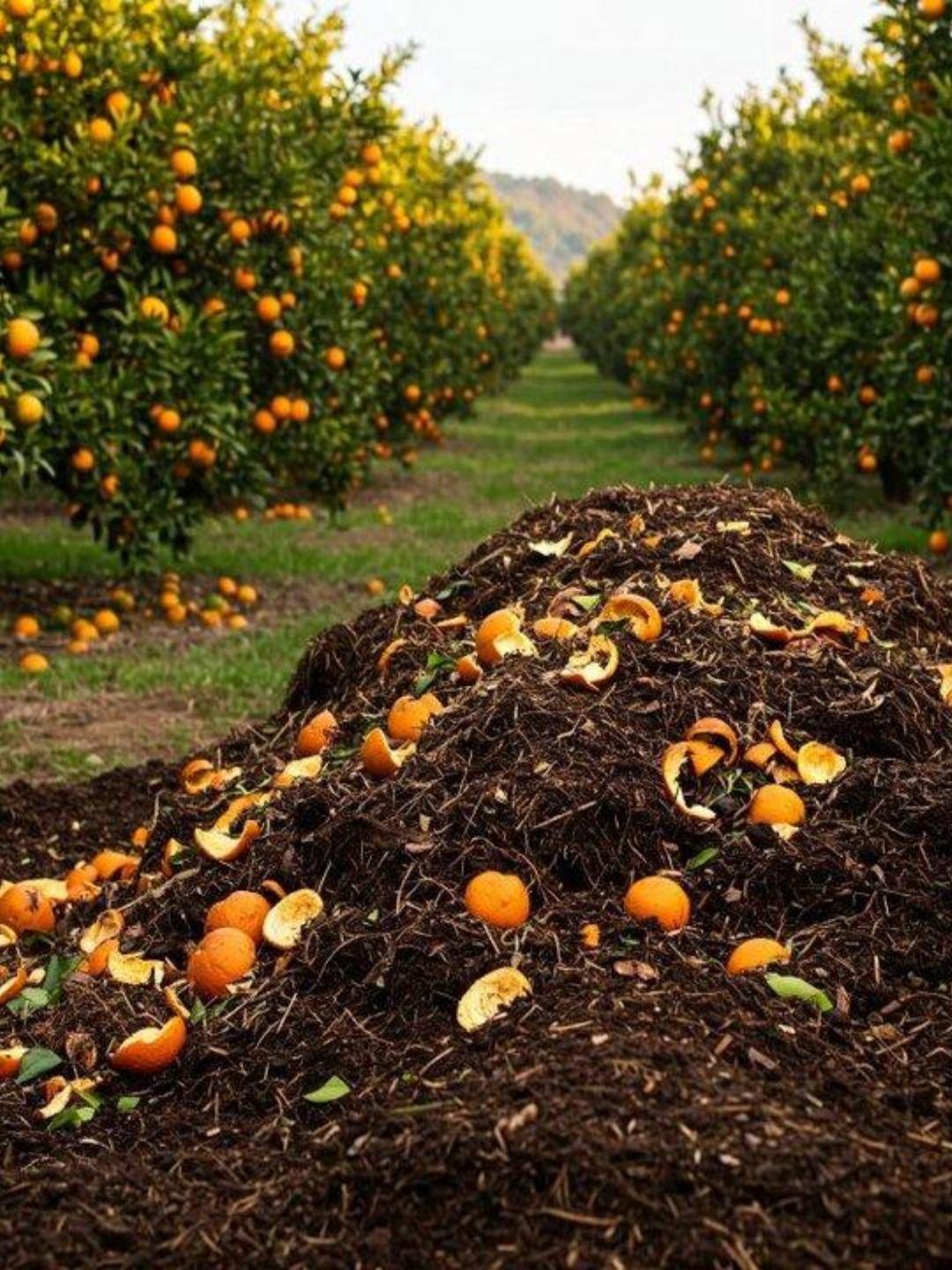
Sustainable Agriculture

The usefulness of dehydrated orange peel extends beyond consumer products. It also contributes to sustainable agricultural practices through composting, organic soil improvement, and other environmentally conscious applications, supporting the principles of a circular economy.

Orange Composite

A Small Ingredient with a Big Sustainability Story

One of the greatest strengths of dehydrated orange peel is its contribution to waste reduction.

Every kilogram of orange peel that is repurposed represents a step towards more sustainable manufacturing. Instead of becoming landfill waste, citrus by-products are converted into valuable raw materials that support multiple industries.

This approach benefits farmers, processors, manufacturers, and ultimately consumers who increasingly prefer products with a lower environmental footprint.

Choosing the Right Supplier Matters

Orange Slice

For manufacturers, ingredient quality directly influences the quality of the finished product. Factors such as colour, aroma, particle size, moisture content, cleanliness, and consistency play a critical role in production efficiency.

Working with an experienced supplier helps ensure that every batch meets industrial standards and delivers reliable performance across applications.

At Anitya Naturals, we manufacture premium-quality dehydrated botanical ingredients with a focus on consistency, quality, and dependable bulk supply. Our dehydrated orange peel is available in customised forms to meet the requirements of food processors, cosmetic manufacturers, nutraceutical companies, herbal brands, and exporters.

The Future of Dehydrated Orange Peel in India

The demand for sustainable, natural, and functional ingredients continues to grow across industries. As businesses invest in cleaner formulations and environmentally responsible manufacturing, dehydrated orange peel is expected to play an even greater role in product innovation.

What was once overlooked as agricultural waste has become an ingredient that supports flavour, nutrition, wellness, and sustainability, proving that sometimes the most valuable opportunities are hidden just beneath the surface.

For businesses looking to develop high-quality products with naturally sourced ingredients, dehydrated orange peel offers a practical, versatile, and future-ready solution.

FAQ’s

Is orange peel powder suitable for food manufacturing?

Yes, food-grade orange peel powder is suitable for bakery, beverages, confectionery, spice blends, and other processed food applications when sourced from a reliable manufacturer.

What industries use dehydrated orange peel?

Food manufacturers, beverage brands, cosmetic companies, spice processors, and nutraceutical manufacturers commonly use dehydrated orange peel as a natural ingredient.

How should orange peel powder be stored?

Store it in sealed, moisture-proof packaging away from direct sunlight and humidity. Proper storage helps maintain freshness, aroma, and quality

What should B2B buyers check before purchasing orange peel powder?

Buyers should verify product quality, moisture content, particle size, certifications, packaging, and the supplier’s production capacity before placing bulk orders.

Can orange peel powder be customized?

Yes, manufacturers can often customize mesh size, packaging, labeling, and bulk quantities according to customer requirements.

Can dehydrated orange peel be exported?

Yes, export-quality dehydrated orange peel can be supplied with the required quality documentation based on buyer and destination country requirements.