Curry Leaves for Hair Care: How Manufacturers Source Botanical Curry Leaf Ingredients
Curry leaves are best known for their distinctive aroma in Indian cooking, but their story extends well beyond the kitchen.
For generations, curry leaves have been used in traditional hair care practices across South Asia. They have been incorporated into home-made hair oils, pastes and other preparations as part of everyday hair-care routines.
Today, this familiar botanical is also attracting interest from the modern personal care industry.
As consumers increasingly look for products inspired by traditional botanicals, ingredients such as curry leaf are finding their way into herbal hair oils, masks, shampoos and other formulations.
But what makes curry leaf interesting for hair care, and what should manufacturers understand before using it as an ingredient?
A Familiar Leaf With a Long Traditional Connection
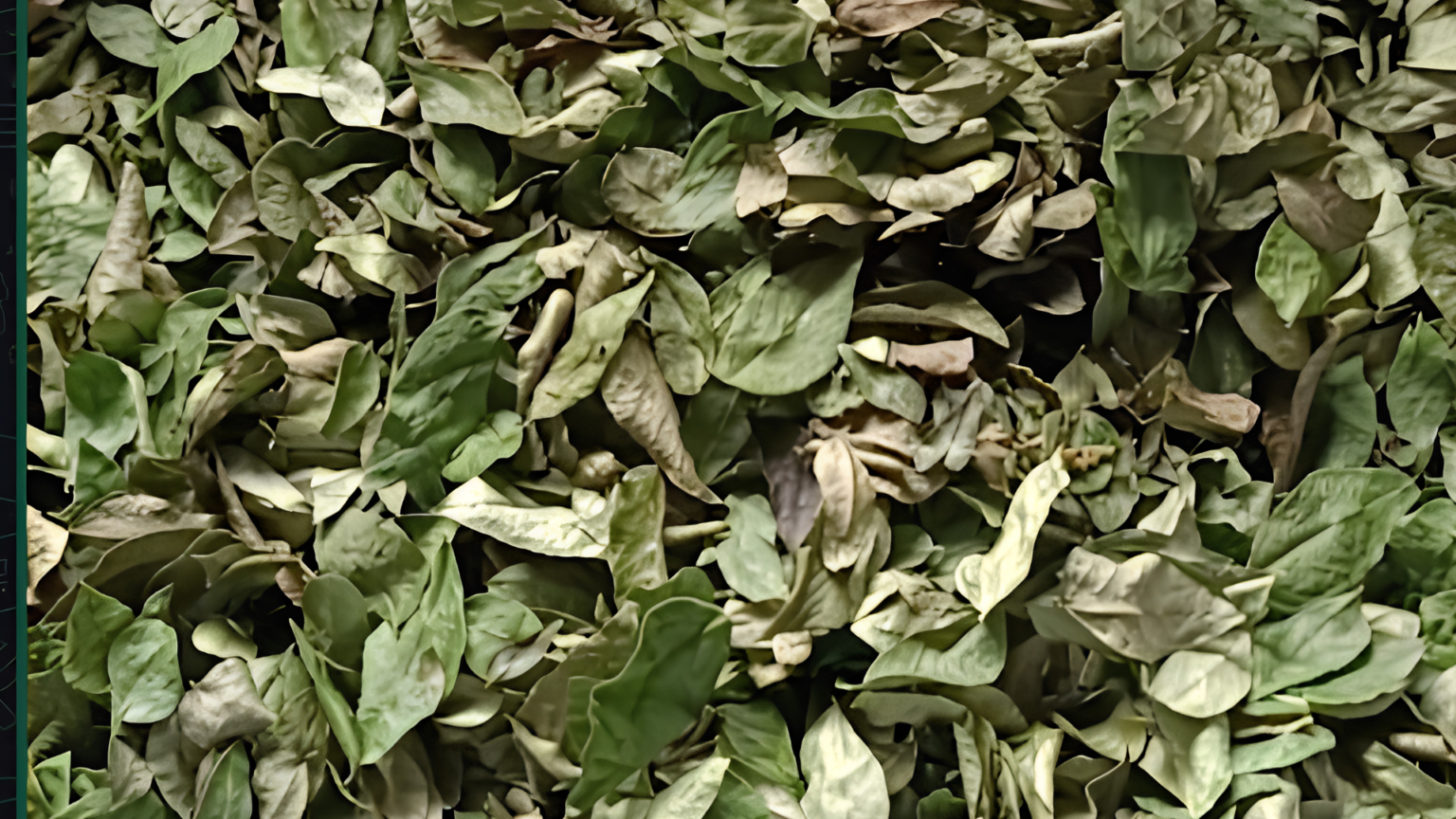
Curry leaf comes from the plant Murraya koenigii, a species widely associated with the Indian subcontinent.
Traditionally, the leaves have been incorporated into hair-care routines in different ways. One common practice is preparing infused oils using leaves, while other traditional preparations use crushed or dried plant material.
This long history is one reason curry leaf continues to appear in conversations around herbal hair care.
However, traditional use and modern formulation are two different things.
A traditional preparation is generally made for personal use, while a commercial hair-care product needs controlled ingredients, defined processing methods and consistent quality.
This transition—from a familiar household botanical to a commercial raw material—is what makes ingredient selection important.
What Makes a Botanical Interesting for Hair Care?
When a plant becomes part of a modern personal care formulation, manufacturers look beyond its traditional reputation.
They want to understand the botanical material itself.
Curry leaves naturally contain a range of plant compounds, including aromatic and antioxidant-associated constituents. The composition of a botanical material can vary depending on factors such as the plant material, growing conditions, processing and storage.
This is one reason manufacturers cannot treat every botanical ingredient as identical.
The way a plant is handled after harvesting can influence the characteristics of the final ingredient.
For a commercial formulation, the focus therefore shifts from simply asking:
“Is curry leaf traditionally used for hair?”
To:
“What type of curry leaf ingredient am I using, and what characteristics does it bring to my formulation?”
Fresh Leaves and Dried Ingredients Are Not the Same
This is an important distinction that is often overlooked.
Fresh curry leaves contain naturally occurring moisture and have a limited storage life.
Once the leaves are dried, the material becomes easier to store, transport and handle as a raw ingredient.
Drying also changes the physical characteristics of the plant material.
For manufacturers, this makes dried curry leaf ingredients more practical for controlled commercial applications than relying on fresh leaves.
The dried material can then be processed further depending on the intended use.
One common form is curry leaf powder.
Curry Leaf Powder: Bringing the Botanical Into a Practical Format
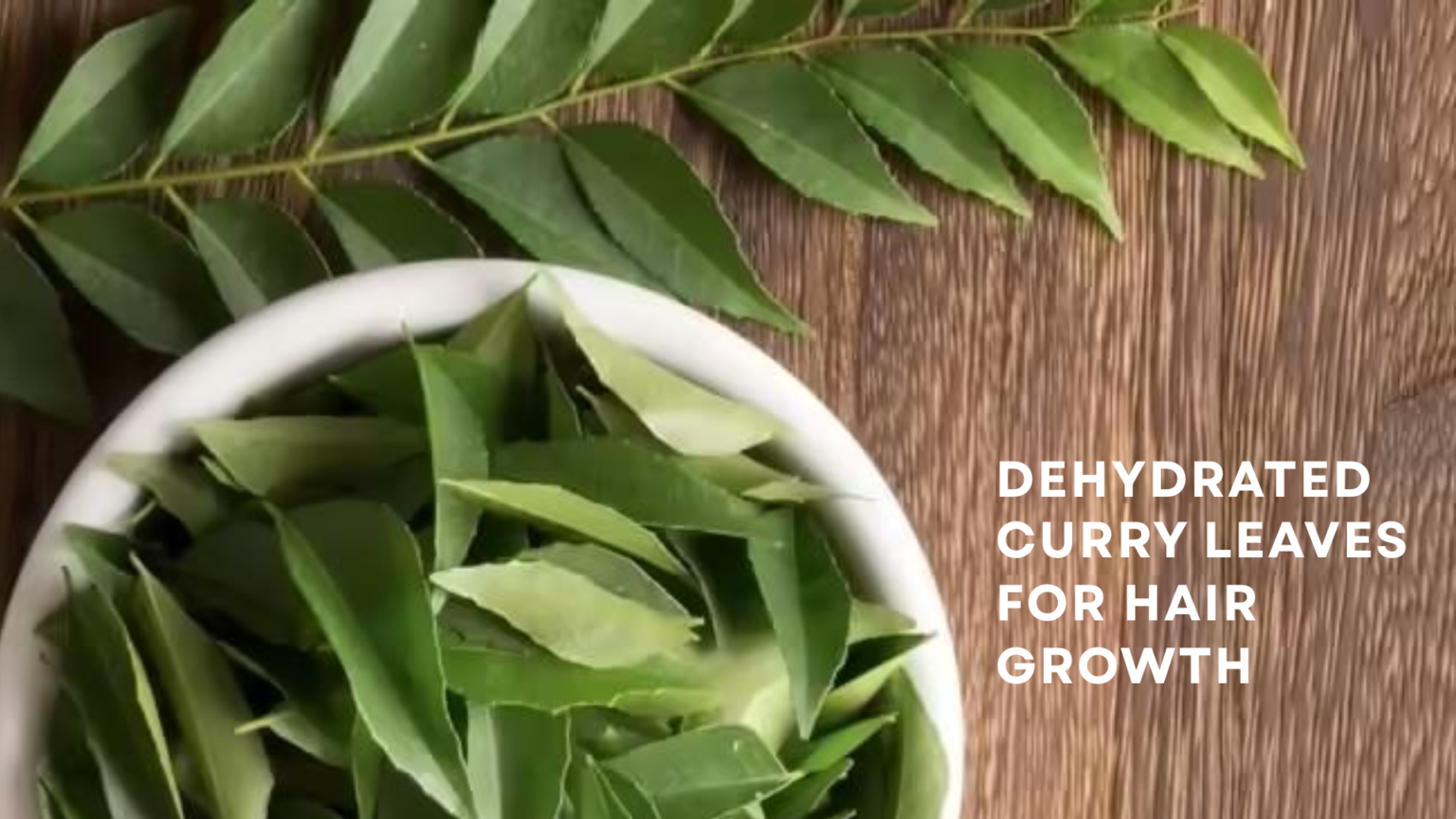
Curry leaf powder is produced by drying and processing the leaves into a powdered ingredient.
This format can be useful when a formulation is designed to incorporate botanical plant material.
But “powder” does not tell the whole story.
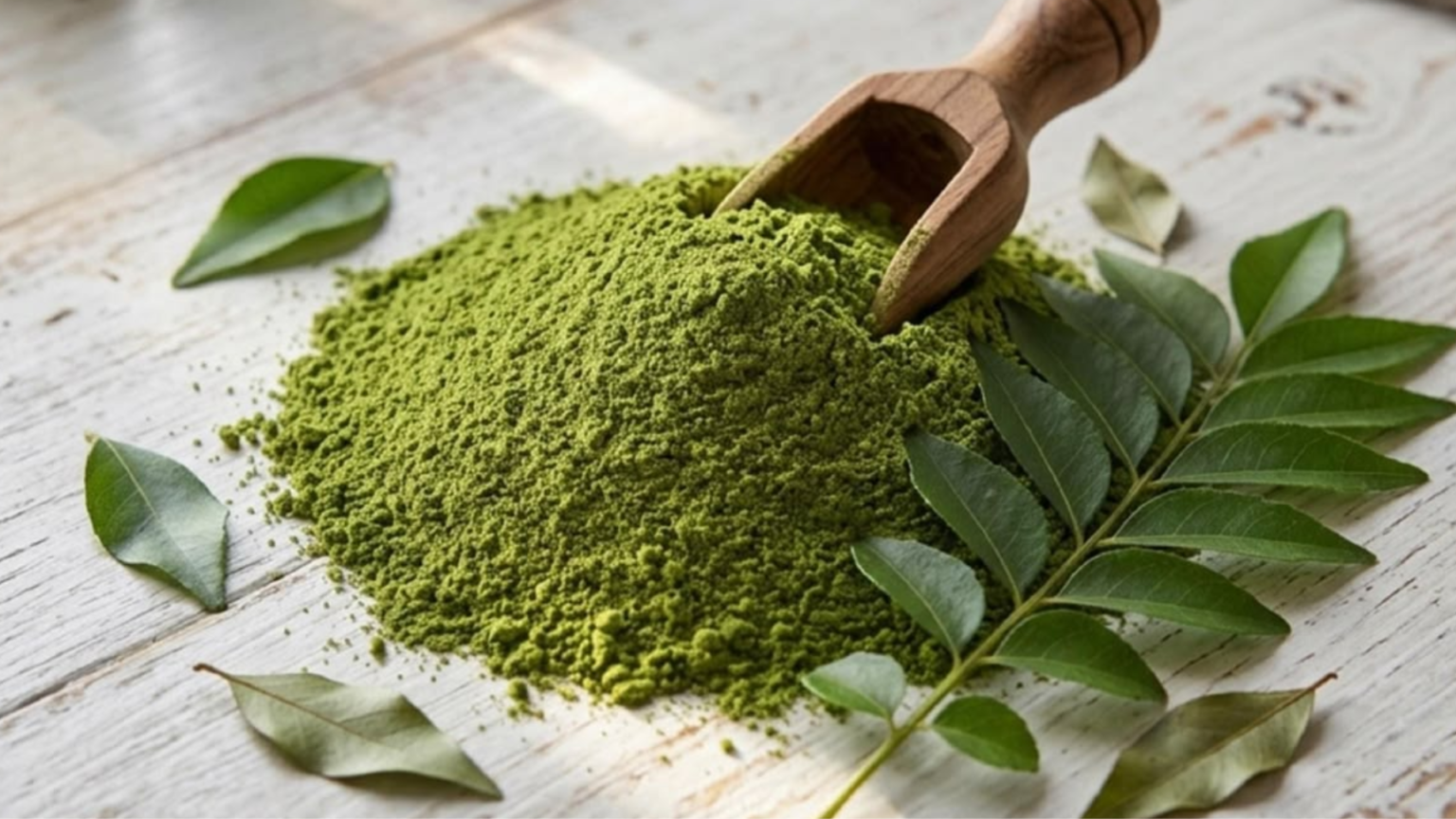
The final ingredient can have different physical characteristics depending on how the raw material is processed.
Manufacturers may therefore consider:
- Particle size
- Colour
- Characteristic odour
- Moisture
- Microbiological quality
- Storage stability
- Dispersion within the intended formulation
These characteristics can influence how the powder behaves during product development.
For example, particle size can affect dispersion, while colour and odour can contribute to the sensory profile of the finished product.
This is why a formulation team should evaluate the actual material rather than selecting an ingredient based only on its name.
How Can Curry Leaf Fit Into Hair Care Products?
The ingredient form and the finished product need to work together.
Hair Oils
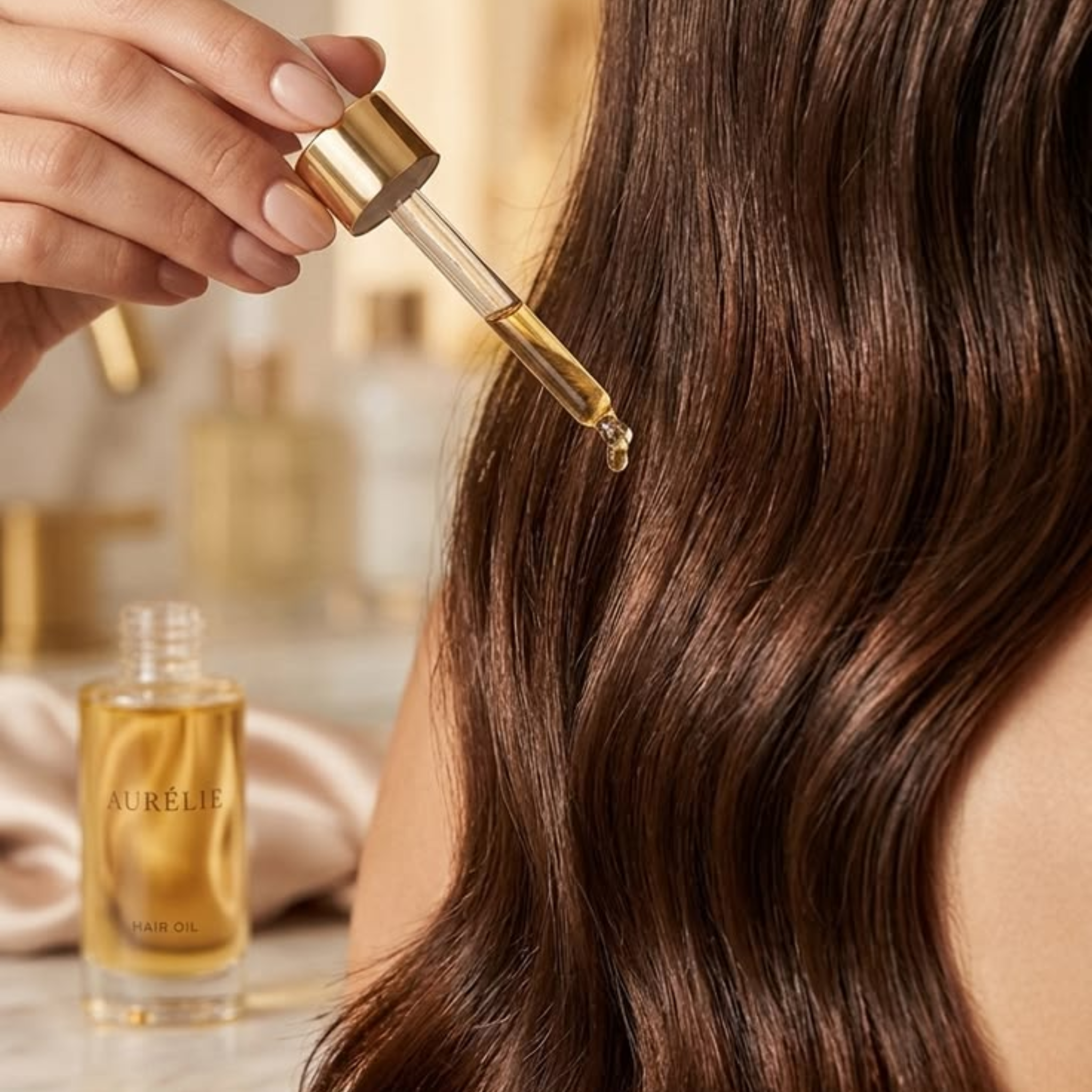
Hair oils provide a familiar setting for botanical ingredients. Curry leaf is traditionally associated with oil-based hair-care preparations, which is one reason it remains relevant to modern herbal hair oil concepts. For commercial formulations, the ingredient's compatibility with the oil system should still be evaluated.
Hair Masks
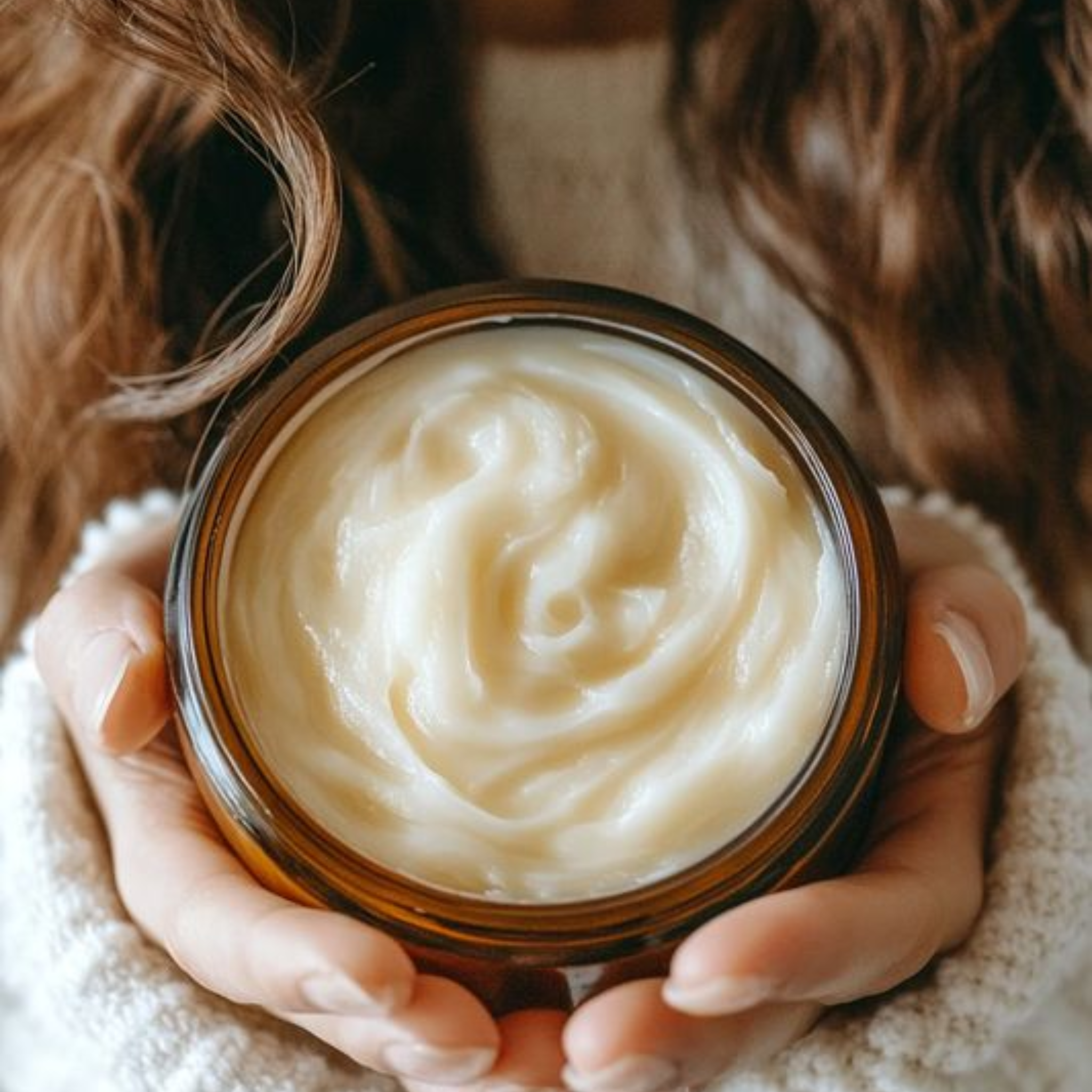
Hair masks can incorporate botanical ingredients in different ways. Where a powder is being considered, characteristics such as particle size, colour, odour and dispersion become relevant.
Shampoos and Conditioners
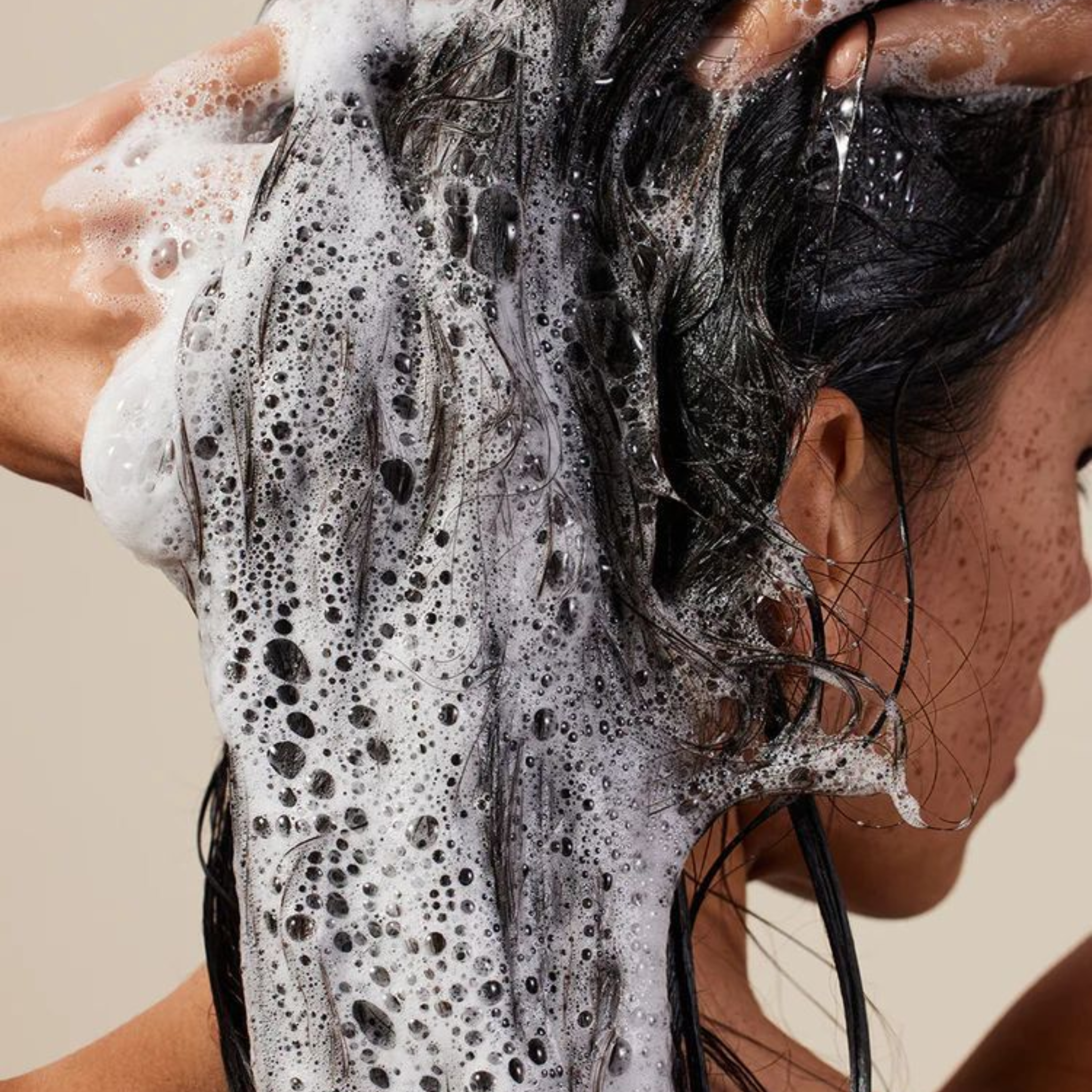
These products have more complex formulation systems, often combining water, surfactants, conditioning agents and other ingredients. A curry leaf ingredient therefore needs to be selected and tested according to the specific formulation.
The key point is simple:
The same botanical does not automatically behave the same way in every product.
Traditional Knowledge and Modern Claims
Curry leaf’s traditional association with hair care is an important part of its story — but manufacturers need to be careful when translating traditional knowledge into product claims.
There is a difference between saying “curry leaves have traditionally been used in hair care” and making a specific performance claim about a finished product.
Claims relating to hair growth, hair fall, scalp conditions, or other specific benefits should be supported by appropriate evidence and should meet the requirements of the market in which the product is sold. This distinction allows brands to celebrate traditional botanical knowledge while maintaining responsible communication.
What Should a Manufacturer Check?
Before introducing curry leaf into a commercial formulation, a manufacturer can work through a few fundamental points.
Botanical identity
Confirm the botanical name and plant part. For curry leaf, the botanical identity is Murraya koenigii.
Ingredient form
Determine whether the formulation requires powder, extract, or another derivative
.
Physical characteristics
Review properties such as appearance, colour, odour, and particle size where applicable.
Moisture and microbiology
Dried botanical ingredients should be evaluated against appropriate quality requirements.
Documentation
Relevant product specifications and batch documentation help establish what is being supplied.
Formulation compatibility
A sample should be tested in the intended product before commercial approval.
Botanical materials originate from nature, so manufacturers need to pay particular attention to consistency. A plant may be influenced by factors such as growing conditions, harvesting, and processing — which is why commercial suppliers need defined specifications and quality controls.
For a hair-care manufacturer, consistency can affect product appearance, sensory characteristics, processing behaviour, batch-to-batch reproducibility, and finished product quality. A good botanical ingredient is not simply one that works once — it should be capable of meeting the agreed requirements consistently.
From Botanical Material to Finished Product
There is a fascinating journey between a curry leaf growing on a plant and appearing as part of a commercial hair-care product.
At every stage, the objective is to preserve control over the material while adapting it to its intended application. The quality of the finished product is influenced not only by the formulation itself, but by the quality and consistency of the raw materials entering that formulation.
Why Curry Leaf Continues to Attract Attention
The interest in curry leaf isn’t simply about following a trend — it reflects a broader movement in personal care toward ingredients that connect traditional botanical knowledge with modern product development. Curry leaf fits naturally into this space because it is:
- Familiar to consumers
- Strongly associated with South Asian botanical traditions
- Suitable for herbal product concepts
- Available in different ingredient forms
- Relevant to a range of hair-care formulations
The challenge is to use the ingredient thoughtfully, rather than treating tradition alone as a substitute for formulation and quality evaluation.
Sourcing Curry Leaf Ingredients From India
India has a long-established connection with botanical and plant-based raw materials. For manufacturers looking to explore curry leaf ingredients for hair-care applications, selecting the right supplier is an important part of the development process.
Anitya Naturals works with botanical ingredients for B2B applications and can be approached for curry leaf requirements based on the intended application, ingredient form, and quantity.
Click HereFrequently Asked Questiuons
Curry leaf has a long history of traditional hair care use and may be considered as a botanical ingredient in herbal and plant-based personal care formulations.
No. Powder is processed dried leaf material, while an extract is produced through an extraction process. Their characteristics and formulation behaviour can differ.
No. Suitability depends on the formulation, intended application, ingredient specifications and product requirements.
Manufacturers may encounter curry leaf powder, extracts and other curry leaf-derived ingredients depending on the supplier and application.
Yes, Anitya Naturals can help B2B buyers source curry leaf ingredients based on their application, required form and quantity.
Not necessarily. The intended application, grade, processing, specifications and documentation should be evaluated.